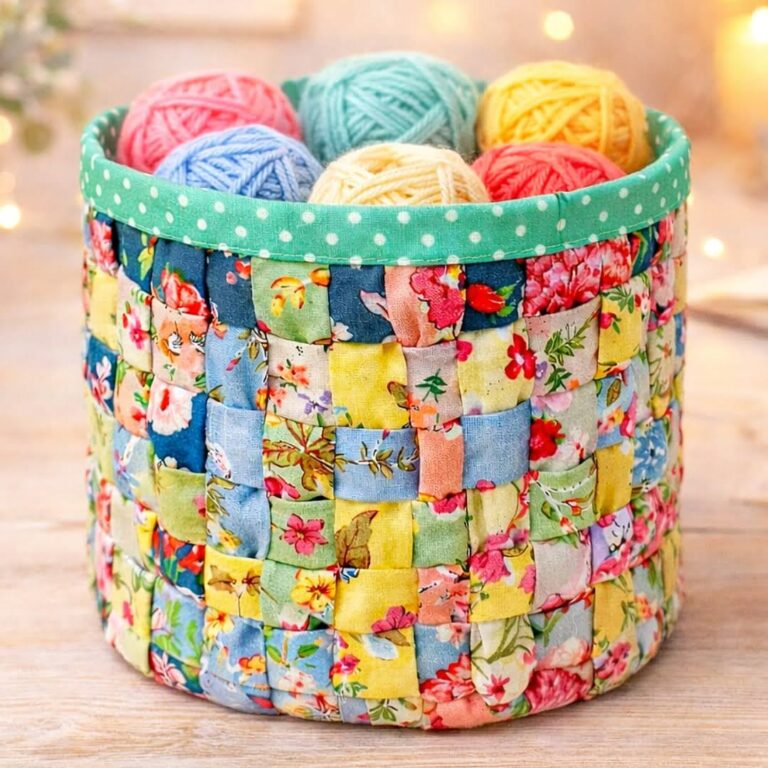
How to sew a fabric storage basket tutorial

Creating a Quilted Oven Mitt – Step by Step Tutorial is a fun and rewarding project for anyone who enjoys sewing or quilting. Not only does this project allow you to practice your quilting skills, but it also results in a functional item you can use every day in your kitchen. Quilted oven mitts provide both beauty and practicality, protecting your hands from heat while adding a handmade touch to your home. This guide will carefully walk you through the entire process so even beginners can follow along with confidence.
A quilted oven mitt combines fabric layers, batting, and quilting stitches to create thickness and insulation. Unlike store-bought mitts, making your own allows you to customize the size, colors, and patterns to fit your style. Whether you prefer traditional quilting fabrics or something modern and vibrant, this tutorial will give you the steps to design a mitt that’s truly unique. It is also a fantastic handmade gift idea for family and friends, especially for holidays and housewarming parties.
By following this Quilted Oven Mitt – Step by Step Tutorial, you’ll learn not only how to piece and quilt the fabric, but also how to shape, assemble, and finish the mitt properly. Don’t worry if you’re new to sewing—this tutorial will break everything down into clear steps with helpful tips. Grab your favorite fabrics, thread, scissors, and sewing machine, and let’s begin this fun and creative journey together.
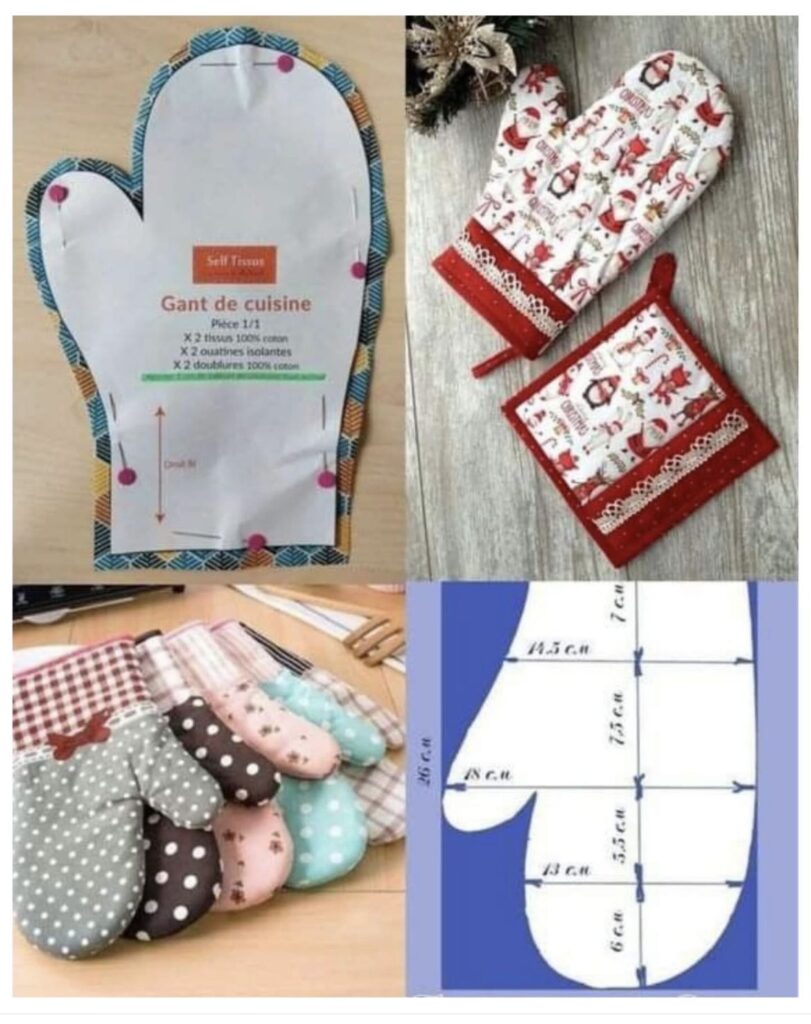
The first step in this Quilted Oven Mitt – Step by Step Tutorial is gathering the right materials. You will need cotton fabric for the outer layer, a coordinating lining fabric, and heat-resistant batting to provide insulation. Using 100% cotton is highly recommended because synthetic fabrics may melt when exposed to high heat. Choosing high-quality materials ensures your oven mitt is both durable and safe.
When selecting fabric, consider mixing solid colors with patterned designs. Quilting cottons work best because they are easy to sew and hold their shape well. Batting or heat-resistant fabric such as Insul-Bright is crucial to protect your hands from burns. Without this inner layer, your mitt may look good but won’t function properly. Preparing your materials ahead of time will make the sewing process smoother.
Cutting your fabric pieces accurately is essential for achieving a well-fitting oven mitt. You can use a paper template shaped like a mitt to trace onto the fabric, making sure to cut two outer pieces and two lining pieces. The batting should be cut to match the fabric size. Remember to leave seam allowances around the edges so you can sew the pieces together easily.
Before sewing, it’s helpful to layer your fabric and batting together with pins or clips. This step prevents shifting when stitching. Quilting lines can be drawn on the top fabric with a washable marker to guide your stitches. Preparing your fabric layers carefully will give your oven mitt a polished and professional finish.
A common tip among quilters is to prewash your fabrics. This prevents shrinking later on when the mitt is washed. Ironing your fabrics before cutting also helps you achieve clean, straight lines. Taking the time to prepare well at this stage ensures the later steps will be less stressful and more enjoyable.
Finally, organize your sewing tools such as scissors, pins, rotary cutter, cutting mat, and sewing machine. Having everything at hand avoids interruptions during the process. With your materials prepared, you’re ready to move on to quilting and assembling your mitt.
Quilting is what makes the Quilted Oven Mitt – Step by Step Tutorial unique compared to a plain oven mitt. Quilting stitches not only secure the batting in place but also add texture and beauty to the finished piece. You can choose straight-line quilting, diagonal patterns, or even free-motion quilting for a decorative look.
Begin by placing the outer fabric on top of the batting. Pin them together securely, making sure the edges align. Using a sewing machine, start quilting along the lines you’ve drawn or improvise with your preferred pattern. Quilting stitches should be evenly spaced to prevent the batting from shifting during use.
Straight-line quilting is the simplest and most beginner-friendly technique. Simply sew parallel lines across the fabric at equal distances. If you want a more intricate look, try quilting diagonal lines to create a diamond pattern. These patterns not only look attractive but also strengthen the structure of the oven mitt.
Free-motion quilting allows you to create curves, swirls, or custom shapes. This technique requires lowering the feed dogs on your machine and guiding the fabric manually. It’s slightly more advanced, but it gives your oven mitt a unique and artistic touch. Don’t be afraid to experiment with different quilting designs to find the one you like best.
After quilting, trim the excess batting from the edges so the layers remain even. This will make it easier to sew the mitt pieces together. Carefully inspect your stitches and fix any loose threads before moving forward. Neat quilting contributes to both function and style.
Once your quilting is complete, repeat the process for both outer pieces of the mitt. At this stage, you’ll have quilted fabric panels ready to be assembled into the shape of the oven mitt. This step is where your project truly begins to take shape.
Now it’s time to bring the pieces of the Quilted Oven Mitt – Step by Step Tutorial together. Take the two quilted outer pieces and place them right sides facing each other. Pin around the edges, leaving the wrist opening unpinned. Sew along the curved edges with a consistent seam allowance, backstitching at the beginning and end for durability.
Repeat this step with the two lining pieces. The lining adds an extra layer of comfort and protects the batting from wear and tear. Once both outer and lining pieces are sewn, trim the seams slightly and clip small notches along the curves to allow the fabric to turn smoothly.
Next, turn the outer quilted mitt right side out, while leaving the lining inside out. Carefully insert the lining inside the quilted mitt, aligning the seams. The right sides of the fabric should now be facing each other inside the wrist opening. This step prepares the mitt for a neat finish at the bottom.
Pin around the wrist opening and sew the lining to the outer mitt, leaving a small gap for turning. Carefully turn the entire mitt right side out through this gap, pushing out the thumb and curved edges to form the proper shape. Press the mitt with an iron to smooth out the seams.
To close the gap, topstitch around the wrist opening. This not only secures the lining but also adds a decorative touch. For added strength, you can sew an extra row of stitches slightly inside the first one. A hanging loop can also be added at this stage by sewing a folded strip of fabric into the seam.
At this point, your quilted oven mitt is fully assembled. All that remains is to give it a final press and admire your work. You now have a custom oven mitt that is both functional and stylish, made entirely by hand.
The last part of this Quilted Oven Mitt – Step by Step Tutorial focuses on adding personal touches. Customizing your oven mitt allows you to match it to your kitchen décor or gift it to someone with a personal design.
One option is to add binding around the wrist opening. Fabric binding not only strengthens the edge but also adds contrast with a pop of color. Choose a coordinating or contrasting fabric to make your oven mitt stand out.
Appliqué designs or embroidery can be sewn onto the outer fabric before assembling the mitt. This allows you to personalize your project with initials, floral patterns, or fun motifs. Decorative stitching also enhances the overall look.
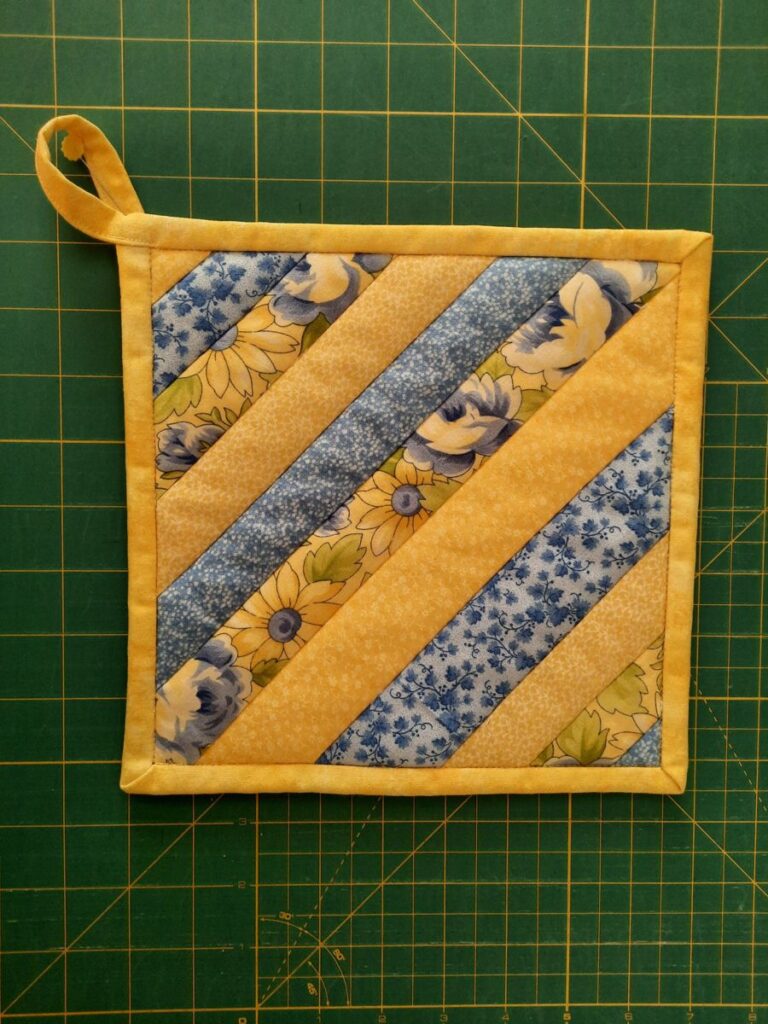
You can make a set of quilted oven mitts using matching fabrics for a cohesive kitchen look. Pair them with handmade potholders or quilted trivets for a complete gift set. This makes a wonderful present for birthdays, holidays, or weddings.
Experimenting with fabric textures is another way to make your project unique. For example, mixing denim with cotton can create a rustic feel, while bright prints bring a cheerful and modern touch. The beauty of quilting is that it allows endless creativity.
Finishing touches are what transform a simple mitt into a one-of-a-kind handmade item. Taking the time to personalize your project makes it extra special and enjoyable to use.
1. What type of fabric is best for quilted oven mitts?
The best fabric is 100% cotton because it withstands heat and is safe for use in the kitchen. Avoid synthetic fabrics that may melt.
2. Do I need special batting for an oven mitt?
Yes, heat-resistant batting such as Insul-Bright is recommended. Regular quilting batting alone will not provide enough protection from heat.
3. Can I hand-sew a quilted oven mitt?
It is possible, but using a sewing machine makes the process much easier and more durable. Hand-sewing may not be strong enough for frequent use.
4. How do I make sure the mitt fits my hand?
Use a template shaped like your hand with extra room for seam allowances. You can adjust the size before cutting your fabric pieces.
5. How do I wash a quilted oven mitt?
Machine wash on a gentle cycle with mild detergent, then air dry. Avoid using high heat in the dryer to protect the batting inside.
6. Can I add a hanging loop to my oven mitt?
Yes, sewing a small loop into the wrist opening seam allows you to hang the mitt conveniently in your kitchen.
In this Quilted Oven Mitt – Step by Step Tutorial, you learned how to gather materials, quilt the fabric, assemble the mitt, and add finishing touches. Each step builds your sewing confidence and results in a beautiful, handmade oven mitt that is both functional and stylish. Making your own quilted oven mitt is not only practical but also a rewarding creative project.
Now that you’ve followed this tutorial, you have the knowledge to create mitts in different sizes, colors, and styles. Whether you keep them for yourself or gift them to loved ones, handmade quilted oven mitts will always be appreciated.
I hope you enjoyed this detailed guide. Please share your honest opinion and suggestions in the comments—your feedback helps improve future tutorials and inspires more creative projects.